
How we work
Grade-wise from the weighbridge to the despatch bay.
Consistency is not a slogan in this business — it is a process discipline. Here is ours, step by step.
The workflow
Four steps, repeated identically.
Every consignment moves through the same sequence. That is what makes the output predictable.
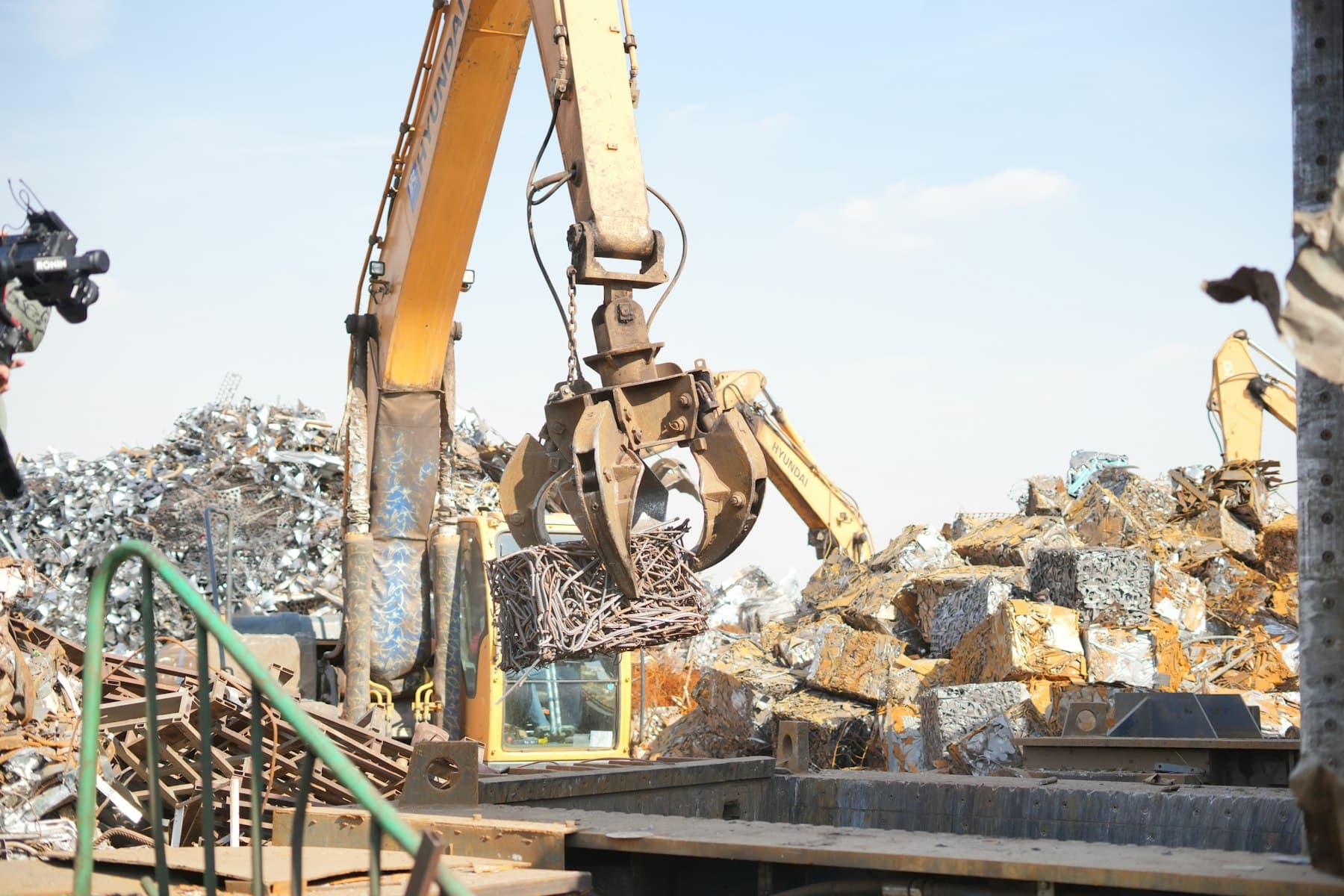
Scrap procurement
Aluminium scrap is purchased at market rates from a vendor network built over nine years of trading.
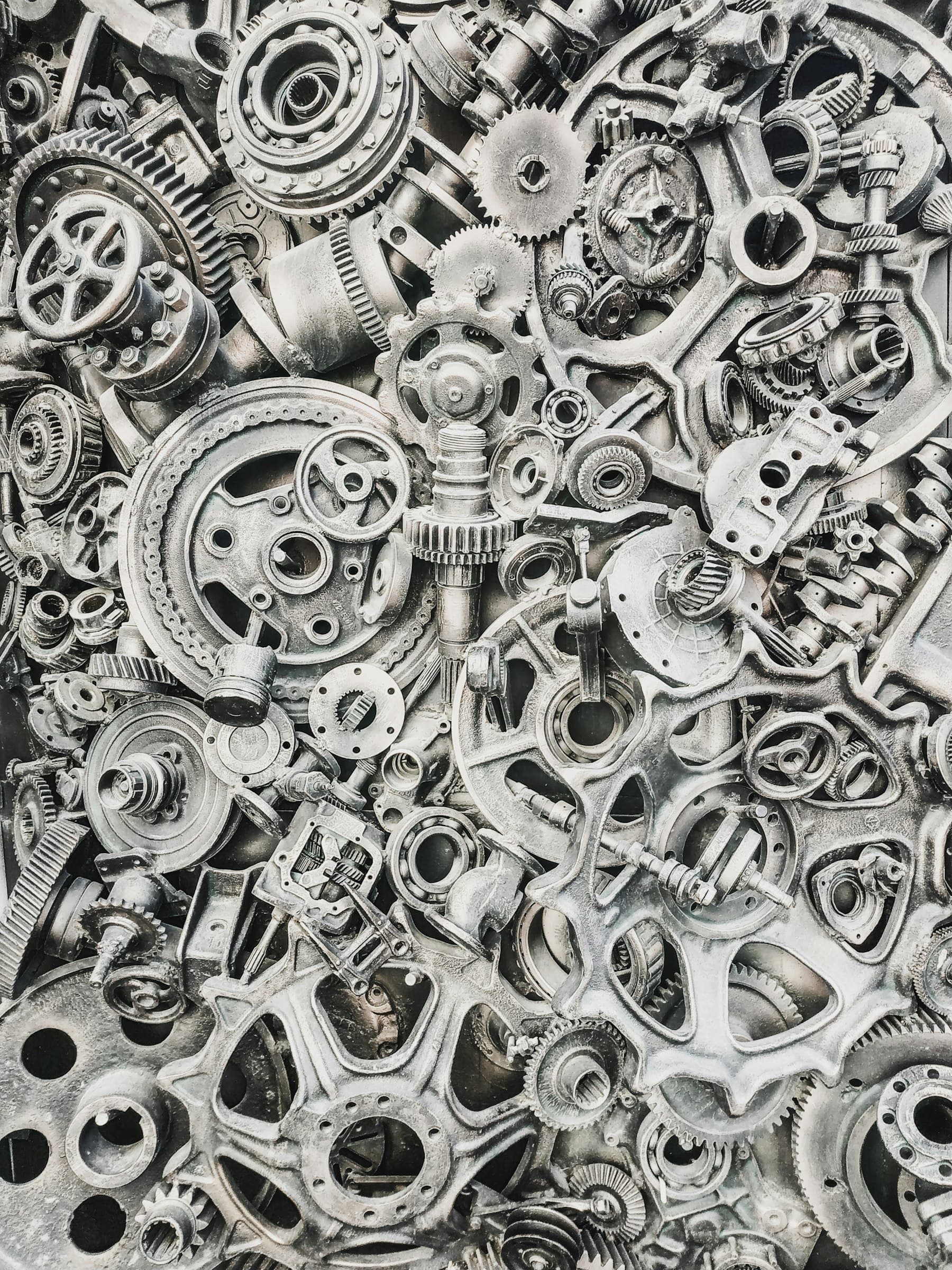
Grade-wise processing
Incoming material is sorted, segregated and processed according to grade and customer specification.
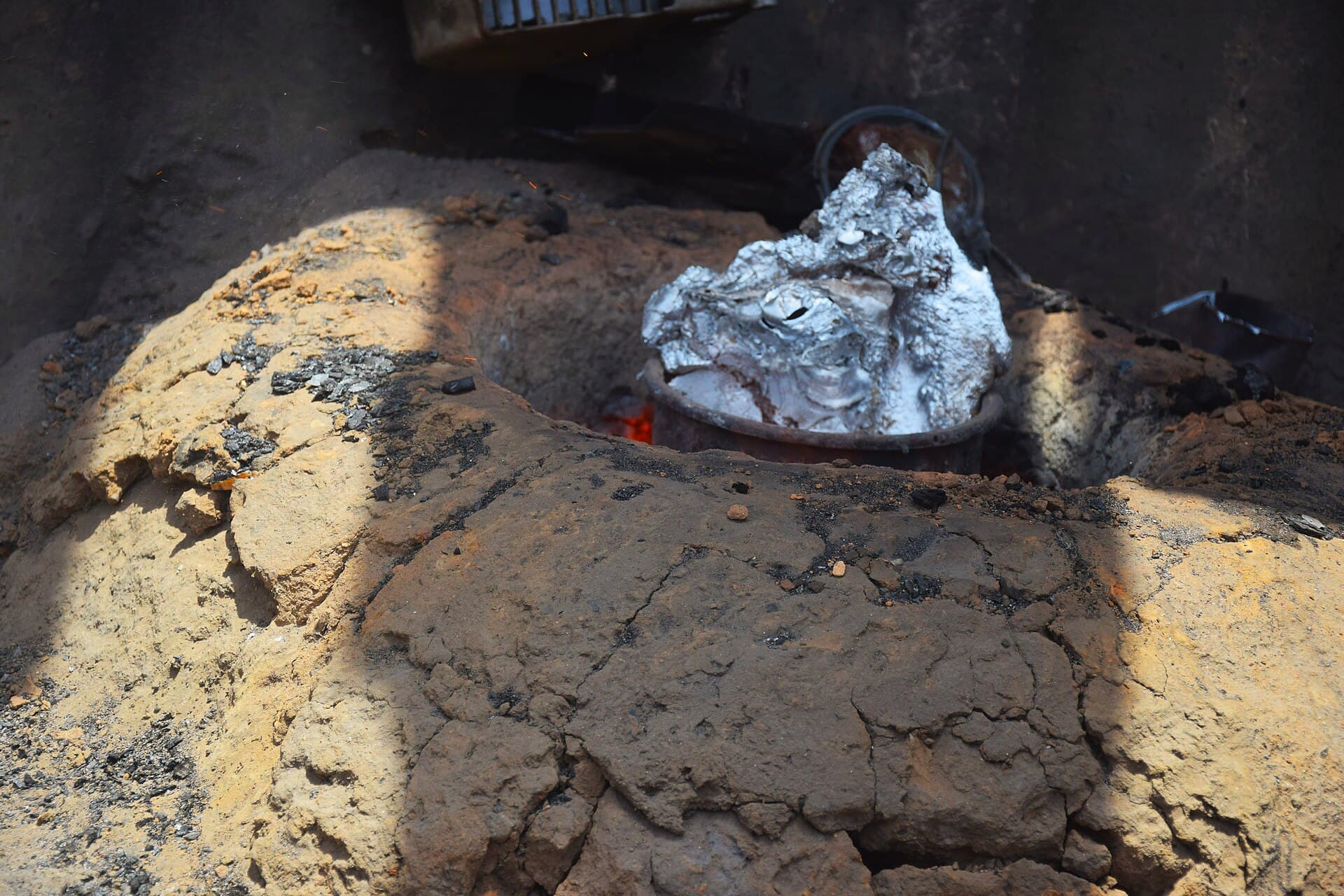
Melting & refining
Segregated scrap is melted and refined into soft aluminium, alloys, shots, cubes and notch bars.
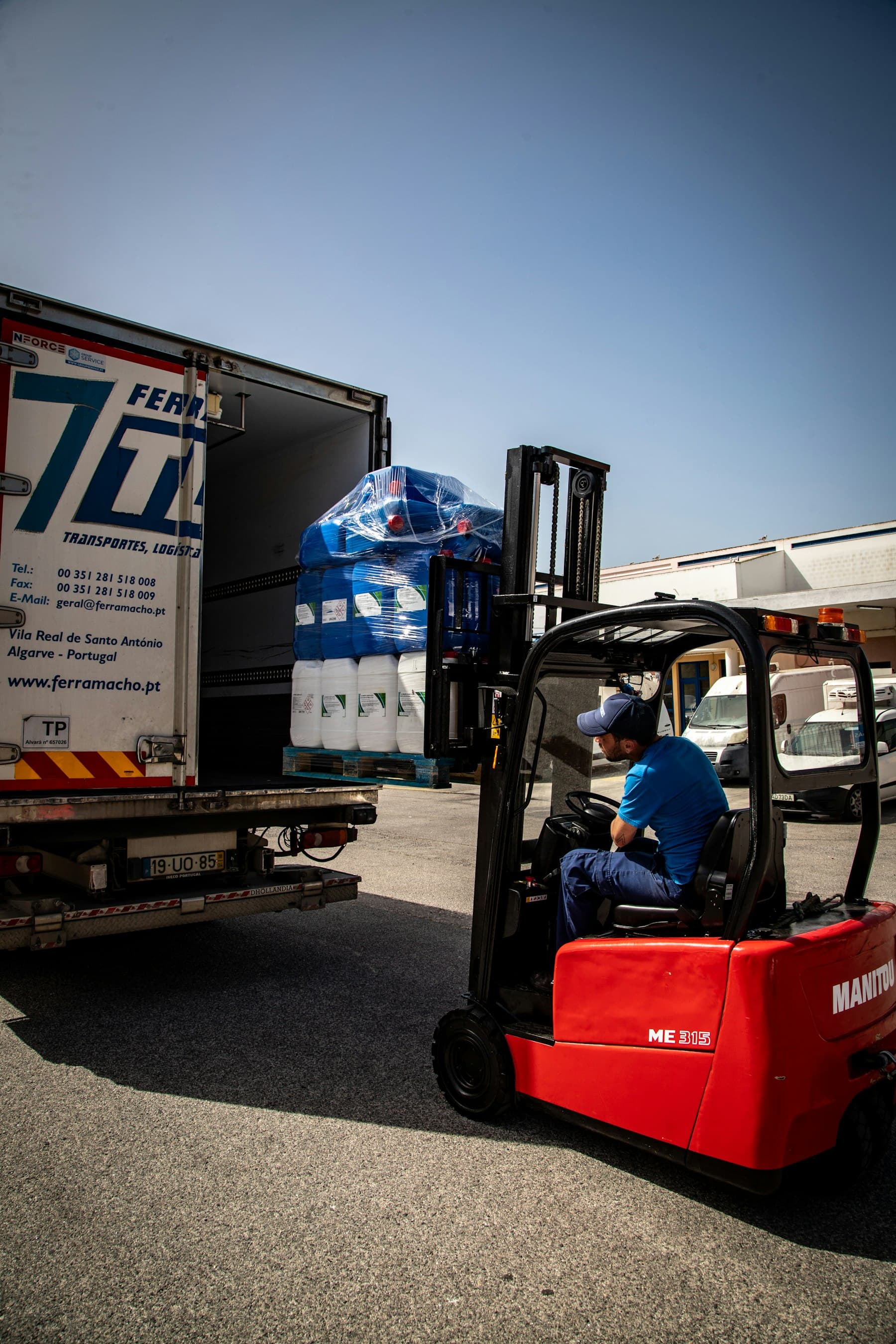
B2B despatch
Finished, furnace-ready product is despatched to alloy manufacturers, foundries and steel plants.
The problem we solve
Five industry problems, five standing answers.
Industry challenges
Fragmented supply
Unorganised scrap suppliers lead to inconsistent sourcing and unpredictable availability.
Inconsistent purity
Mixed-grade scrap makes maintaining a required purity level difficult batch to batch.
High virgin aluminium cost
Rising primary-metal prices push up manufacturing expenses across the value chain.
High energy consumption
Primary aluminium production is highly energy-intensive compared with secondary metal.
Reliable supply gap
Industrial buyers need consistent, specification-based recycled aluminium they can plan around.
Our response
Grade-wise segregation
Scrap is sorted and separated by grade on arrival to keep contamination out of the melt.
Customer-specific processing
Material is processed against the grade and specification each customer actually runs.
Quality & purity focus
Disciplined, repeatable processing keeps output consistent from one consignment to the next.
Furnace-ready products
Refined ingots, alloys, shots and cubes arrive ready to charge — no re-work at your end.
Reliable B2B supply
Long-term vendor and customer relationships underwrite dependable, repeatable volumes.
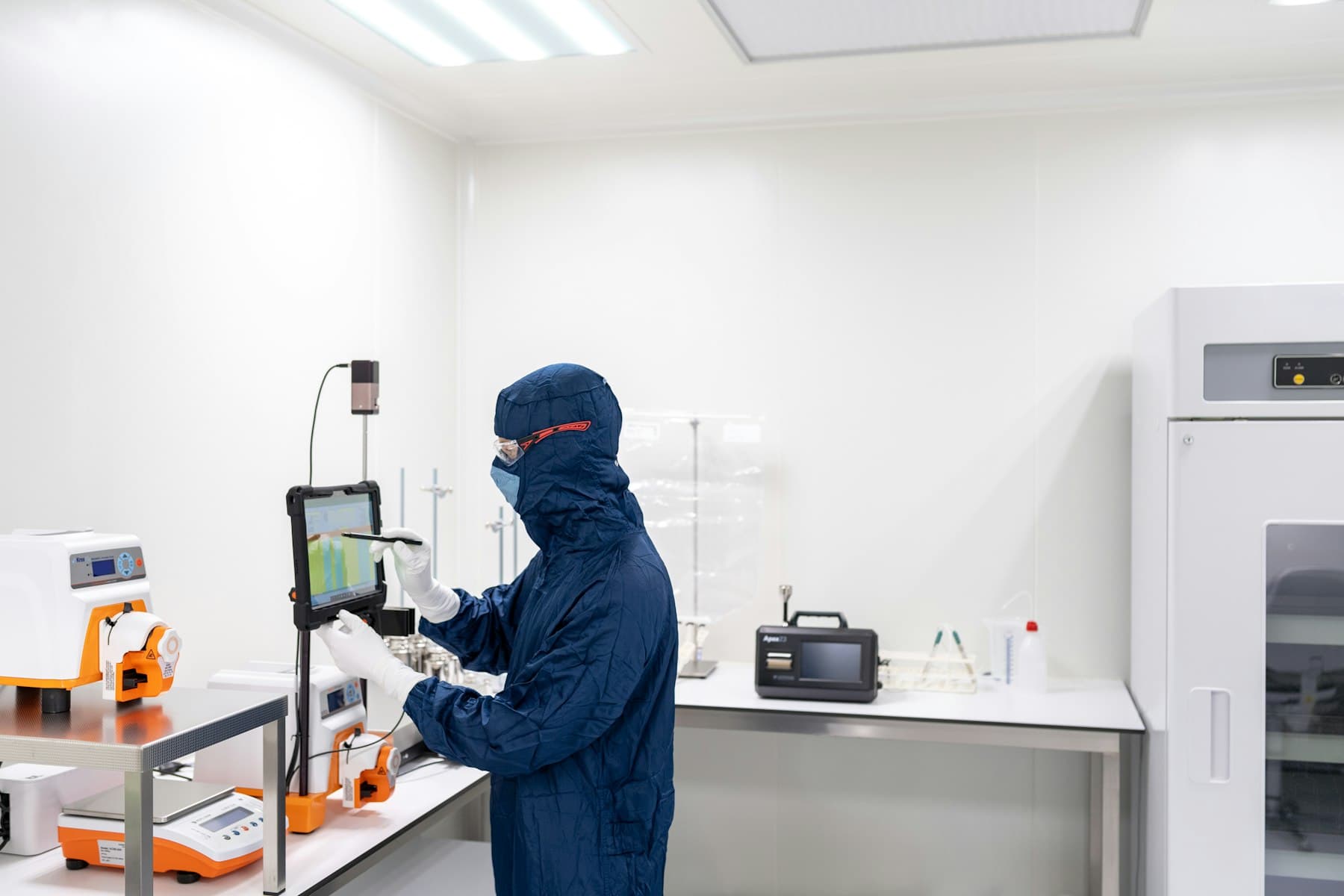
Quality assurance
Consistency you can charge without checking.
Purity is controlled at the point it is cheapest to control — at intake, by segregating scrap grade by grade before anything is melted.
Formal grade testing is a live part of our scale-up plan: introducing documented testing so that every consignment ships against a recorded specification rather than an experienced eye alone. Until then, our assurance rests on disciplined segregation, repeatable processing and nine years of correcting the things that go wrong in this trade.
Business model
How the business actually runs.
No mystery to it: buy scrap well, process it accurately, sell it to buyers who come back.
Scrap procurement
Purchase aluminium scrap from a trusted vendor network at prevailing market rates.
Grade-wise processing
Sort, segregate and process scrap according to grade and customer specifications.
B2B product sales
Supply ingots, alloys, shots, cubes and bars to alloy manufacturers, foundries and steel plants.
Processing margin
Earn margin on the spread between scrap procurement cost and processed-product selling price.
Revenue model
Revenue is earned by selling processed aluminium products on a per-kilogram basis, with margin generated from the spread between scrap procurement cost and finished-product selling price.
Per-kg pricing
Revenue is generated through product sales priced on a per-kilogram basis.
Grade-based pricing
Higher-value products and specific grades command different selling prices.
Processing margin
Profit is earned from the spread between scrap procurement cost and processed-product selling price.
Bring us a specification and a schedule.
We will tell you what we can hold, in what volume, and how quickly we can start.