Sustainability
The greenest tonne of aluminium is the one already above ground.
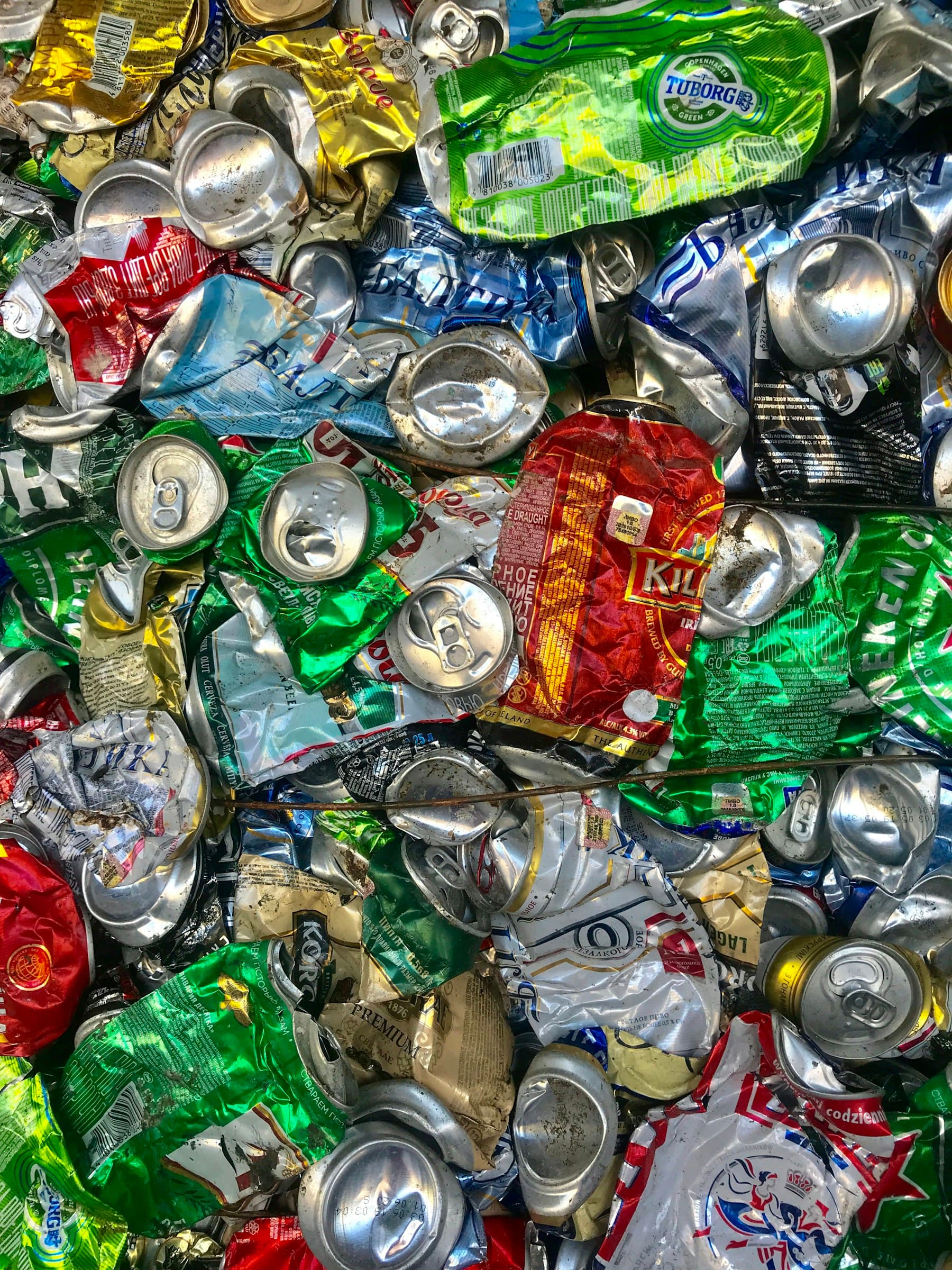
Primary aluminium production is highly energy-intensive. Every tonne of scrap we return to a furnace as specification-grade metal is a tonne that does not have to be smelted from ore.
Our mission
Supporting India's circular metal economy.
To responsibly process aluminium scrap into high-purity ingots, alloys and shots, reducing raw-material dependency while supporting India's circular metal economy.
Recycling is not a side benefit of this business — it is the business. Everything Vaishnavi Enterprises sells began as somebody else’s scrap, and every consignment displaces virgin metal in a customer’s charge mix. The commercial case and the environmental case point the same way.

Why it matters
The pressures reshaping aluminium supply.
Fragmented supply
Unorganised scrap suppliers lead to inconsistent sourcing and unpredictable availability.
Inconsistent purity
Mixed-grade scrap makes maintaining a required purity level difficult batch to batch.
High virgin aluminium cost
Rising primary-metal prices push up manufacturing expenses across the value chain.
High energy consumption
Primary aluminium production is highly energy-intensive compared with secondary metal.
Reliable supply gap
Industrial buyers need consistent, specification-based recycled aluminium they can plan around.
Market opportunity
A market on track to roughly triple in a decade.
India's aluminium scrap market was valued at approximately US$3.8 billion in 2024 and is projected to reach US$11.2 billion by 2034 — around 10.9% CAGR.
TAM
India's aluminium scrap market
Valued at approximately US$3.8 billion in 2024 and projected to reach US$11.2 billion by 2034, growing at around 10.9% CAGR.
SAM
Organised secondary-aluminium supply
Serving die-casters, alloy manufacturers, foundries, re-melters and steel plants that buy to specification.
SOM
Our immediate opportunity
Expanding the existing 10-customer B2B base, the vendor network, steel-plant supply and processing capacity.
Key growth drivers
- Rising demand for recycled aluminium
- Corporate sustainability requirements
- Automotive and EV sector growth
- Increasing formalisation of the recycling industry
Source: Allied Market Research — India Aluminium Scrap Market
Our roadmap
How we intend to grow into it.
Expand processing capacity
Upgrade and add furnaces and segregation capacity to increase throughput.
Strengthen the vendor network
Add scrap suppliers to secure consistent and higher input volumes.
Expand the customer base
Acquire more steel plants, alloy manufacturers, foundries and re-melters.
Enhance quality assurance
Introduce formal grade testing to ensure consistent purity against customer specifications.
Diversify the product portfolio
Widen the range of aluminium alloys, ingots, shots, cubes and other processed products.
Put recycled metal into your charge mix.
Specification-grade secondary aluminium, supplied consistently, at a lower cost and energy footprint than primary metal.